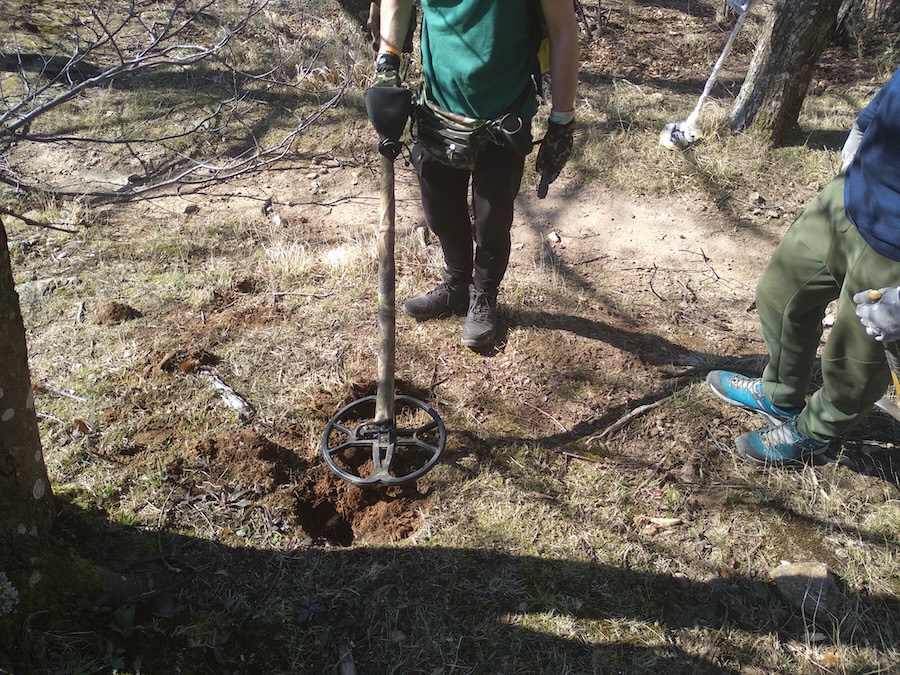
Finding a lost ring with a metal detector is most effective when the detector can accurately identify small conductive metal targets, interpret target ID numbers, and adapt to changing ground conditions. A metal detector for lost ring recovery should be configured with appropriate frequency settings, stable ground balance, and precise pinpointing to locate jewelry efficiently while limiting interference from surface debris.
Modern metal detectors in 2026 provide improved signal processing, clearer tone response, and more reliable identification across a wide range of metals. These advancements allow detector users to better separate valuable jewelry, such as gold, silver, and platinum rings, from common items like foil, pull tabs, or bottle caps found in yards, grass, and sand.
Even with advanced equipment, successful metal detecting depends heavily on technique. Structured sweep patterns, controlled coil movement, and careful digging methods significantly increase the likelihood that a missing ring is recovered rather than remaining hidden or assumed lost forever. Garrett offers metal detectors that help make these recovery efforts more precise and reliable.
Key Takeaways:
- Metal detectors are highly effective for finding lost rings when properly configured for frequency, ground balance, and pinpointing.
- Small jewelry like wedding rings, engagement rings, and platinum or gold rings require careful attention to subtle signal changes.
- Advanced detector technology, including target ID numbers and Simultaneous Multi-Frequency (SMF), improves accuracy across different metals and soils.
- Structured search methods, such as grid patterns and low-and-slow sweeping, significantly increase the chances of recovery.
- Using a handheld pinpointer and precise digging reduces damage and speeds up locating lost jewelry.
- Garrett metal detectors provide reliable tools and guidance for recovering lost rings in various environments, from yards to beaches.
Why Metal Detectors Are Effective for Finding Lost Rings
A metal detector works by transmitting a magnetic signal into the ground. When that signal encounters a conductive metal object such as a ring, pendant, or coin, it creates a return signal that the detector interprets through audio tone, visual display, or both.
Rings are commonly lost in everyday environments where hands move frequently or conditions are wet or loose. Common scenarios include yard work, recreational activities, swimming, beaches, and general outdoor use.
A wedding ring or engagement ring may slip off during exercise, swimming, or while handling tools, especially when fingers shrink in cold or wet conditions. Despite their value, rings can be difficult targets for several reasons:
- Their small size produces weaker signal responses
- Circular shapes can respond differently depending on sweep direction and different angles
- Their metal composition may overlap with common trash metals
Because of this, proper detector settings and careful listening for subtle signal changes are essential when searching for lost jewelry.
Choosing the Right Metal Detector for a Lost Ring
Why Detector Technology Matters
New detector technology has transformed modern metal detecting. Advanced electronics now analyze target behavior across a broader frequency range, allowing better separation between valuable items and junk metal.
Basic detectors may alert when metal is present but provide little usable data. Advanced detectors, however, display consistent target ID numbers, tone variations, and depth indicators that help a metal detectorist decide when digging is worthwhile, especially when searching for small rings or delicate jewelry that may be shallow or partially covered.
Simultaneous Multi-Frequency (SMF)
Simultaneous Multi-Frequency technology allows a detector to transmit and analyze multiple frequencies at the same time rather than fast-forward switching between them. Different metals respond uniquely across frequencies:
- Higher frequencies are more sensitive to small gold jewelry
- Lower frequencies respond better to silver rings, coins, and higher-conductive metals
SMF is particularly valuable when the exact ring material is unknown. Whether searching for gold, silver, or platinum rings, multi-frequency detection improves signal clarity across sand, soil, and wet ground conditions.
Target ID and Discrimination Capabilities
Most modern detectors display numeric target ID numbers, often on a 0–99 scale. These values provide an estimate of the metal type detected beneath the coil.
While no system is perfect, many gold rings commonly appear in the mid-range, overlapping with pull tabs and foil. Silver ring readings often fall higher, while platinum may vary depending on alloy and size. Discrimination mode allows users to reduce unwanted signals from:
- Bottle caps
- Foil fragments
- Certain surface trash
However, excessive discrimination can cause valuable targets to be missed. During a ring search, moderate discrimination settings are recommended so potentially valuable jewelry is not filtered out.
Importance of Pinpoint Mode
Pinpoint mode allows the detector to isolate the strongest signal location under the coil. Instead of relying only on audio tone, pinpointing helps accurately center the target. Benefits include:
- Cleaner and smaller recovery holes
- Reduced damage to grass or yard areas
- Faster identification of the exact location
This is especially important when searching private property, lawns, or public areas where minimal disturbance matters.
Ground Balance and Soil Conditions
Ground mineralization varies significantly by environment. Sand, wet soil, and mineral-rich ground can distort signals and reduce depth accuracy. Proper ground balance allows the detector to compensate by:
- Stabilizing signal response
- Improving depth reliability
- Reducing false tones
Correct ground adjustment is especially important on beaches, in swimming areas, and in locations with wet sand or dark mineral content.
Understanding Where Rings Are Most Commonly Lost
Most rings are lost in predictable locations tied to daily movement. Common areas include:
- Yards and grassy areas
- Parks and sports fields
- Beaches and swimming beaches
- Entry points near water
Understanding where the loss likely occurred improves efficiency and reduces reliance on luck. Identifying the right place before starting increases hope that the ring is still recoverable rather than lost forever.
Proven Recovery Strategies for Finding a Lost Ring
The Grid Search Method
Unstructured sweeping often results in missed targets. A grid search method ensures full coverage of the suspected location.
Mark boundaries visually and sweep in straight, overlapping passes. Then repeat the process from a different direction to catch signals responding at different angles. Advantages include:
- Eliminating uncovered zones
- Improving detection consistency
- Increasing confidence that the area was fully searched
The Low and Slow Technique
Successful detection requires disciplined coil control. The coil should remain close to the ground surface without scraping.
Fast sweep speeds reduce the detector’s ability to analyze weak targets. A slow, controlled sweep allows the detector to process subtle signal variations commonly produced by small rings. Low and slow movement is one of the most effective techniques for finding hidden jewelry.
Using a Handheld Pinpointer
Once a target is located, a handheld pinpointer like our Pro-Pointer AT greatly improves recovery speed. It helps isolate the exact position of the ring within loose soil or sand. Benefits include:
- Faster recovery
- Reduced digging
- Lower chance of losing the ring again during extraction
This tool is especially useful at night, in low light, or when working in wet ground conditions.
Step-by-Step Search Workflow for Ring Recovery
A structured workflow improves consistency when using a metal detector for lost ring recovery.
Step 1: Identify and define the suspected loss area
Consider recent activities such as yard work, walking, swimming, or removing gloves. Define a clear search cover area.
Step 2: Configure detector settings properly
Adjust frequency, sensitivity, discrimination mode, and ground balance based on location and soil type.
Step 3: Begin controlled sweeping
Sweep slowly with overlapping passes, keeping the coil level and close to the surface.
Step 4: Watch target ID numbers carefully
Stable or repeatable readings, especially mid-range values, should be investigated even if they resemble trash.
Step 5: Pinpoint before digging
Center the signal to minimize excavation.
Step 6: Recover carefully
Use a pinpointer and light digging techniques to protect stones, diamonds, and loose settings.
Common Mistakes That Reduce Success
Several common errors reduce recovery chances:
- Swinging too fast
- Holding the coil too high
- Ignoring weak or inconsistent signals
- Digging without pinpointing
- Overusing discrimination
Many lost jewelry recoveries fail not due to detector limitations but due to rushed technique.
What Affects How Deep a Lost Ring Can Be
Depth depends on multiple factors:
- Time since the ring was lost
- Soil type and moisture level
- Foot traffic, mowing, or beach activity
Most recently lost rings remain within the top few inches of ground or sand, making recovery highly realistic with proper technique.
Managing Expectations When Searching for a Ring
Even advanced detectors cannot guarantee instant success. Ring recovery requires patience, discipline, and careful coverage. Some ring signals will sound similar to trash metals.
This overlap is unavoidable and part of professional detecting. Persistence matters. A methodical approach often determines whether a ring is recovered or assumed lost forever. Keep in mind that many rings are found some distance away from where the person suspects it to have been lost, so maintain a broader search area to enhance your chances for success.
How Garrett Can Help with Lost Ring Recovery
For those searching for a lost wedding ring, engagement ring, or other precious jewelry, Garrett provides high‑quality metal detectors built to handle diverse detecting environments. An excellent choice is the Garrett Vortex VX7 Metal Detector, which offers multi‑frequency operation, five detection modes including beach and jewelry settings, and refined target identification that helps separate precious metals from items like foil and pull tabs.
These features make it a strong choice for metal detectorists focused on efficient lost jewelry recovery. Its waterproof design and customizable controls support thorough searching in sand, grass, and wet ground, helping you cover the right place with confidence.
Final Thoughts on Finding a Ring with a Metal Detector
Recovering a missing ring is a combination of preparation, proper settings, and technique. Modern detectors provide improved signal accuracy, clearer tone response, and better stability across a wide detection range.
When paired with structured searching, careful coil control, and realistic expectations, the chances of recovering valuable jewelry such as wedding rings, engagement rings, and other personal items are higher today than ever before.Garrett can provide guidance on choosing the right metal detector for recovering lost rings and other jewelry. If you have any questions about detector features or techniques for jewelry recovery, you can reach out to Garrett, and our team is happy to help.