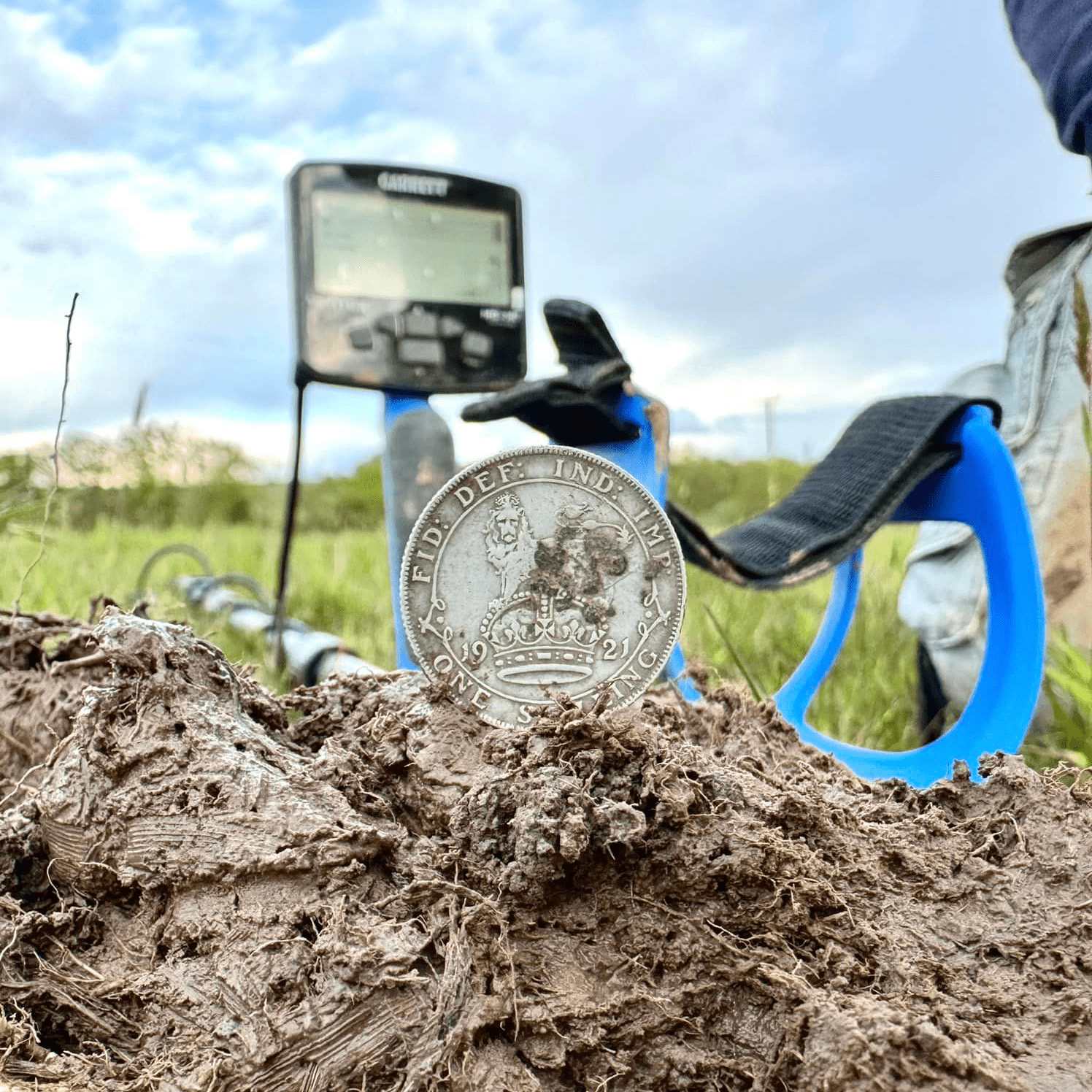
If you have ever spent a day out in the field, you know there is nothing quite like the high-pitched beep of a metal detector hitting a good target. A common question for both beginners and pros is, “can metal detectors detect silver?” The simple answer is yes, but the science behind it is what makes the hunt so interesting.
Silver is a precious metal known for its incredible electrical conductivity, which allows modern metal detectors to identify it even when it is buried deep in the dirt. This applies to more than just treasure hunting for silver dimes or a lost ring; it is also a huge part of how security staff keeps venues safe by spotting metal objects. Whether you are searching for fun or work, the team at Garrett will walk you through how metal detectors can detect silver.
Key Takeaways
- High Conductivity: Silver is one of the most electrically conductive metals, making it highly reactive to a detector’s magnetic field.
- Eddy Currents: Detection occurs when the device’s magnetic field creates small electrical currents on the silver’s surface.
- Non-Ferrous Property: Because silver is not magnetic, modern detectors rely on its ability to carry a current to identify it.
- Mass and Surface Area: Larger silver items like bars or thick coins produce much stronger signals than thin jewelry or foil.
- Environmental Factors: Ground mineralization and nearby iron objects can sometimes mask or “hide” the signal of buried silver.
- Garrett Technology: Garrett provides specialized equipment ranging from high-frequency handhelds and sport detectors to advanced walk-through sensors to pinpoint silver in any environment.
Understanding How Metal Detectors Interact With Silver
Silver is one of the most conductive metals on the planet. Because it allows electricity to flow through it so easily, it reacts very strongly when it comes near a metal detector. The high market value of silver makes it a favorite target for people using metal detectors for sport purposes.
When a metal detector is turned on, it creates invisible magnetic fields around the search coil. As this magnetic field passes over a non-ferrous metal like silver, it creates small electrical currents called eddy currents on the surface.
Why Silver’s Conductivity Makes It Detectable
Modern metal detectors identify materials based on how they conduct electricity rather than just their weight. Since silver has such high conductive power, it sends back a stronger signal than many other items. While some elements have magnetic properties, silver does not, which is why conductivity matters more for detection.
Metal detectors look for how well a particular metal carries a current, and silver sits high on that list. Because silver is easy to find using Garrett metal detectors, even small coins can give off a strong signal that is hard for the coil to miss.
In the world of metal detecting, materials are split into groups like ferrous and non-ferrous. For example, iron is magnetic, while a metal like silver is not. Since silver is not magnetic, the detector relies on the presence of a signal created by the magnetic field.
Types of Metal Detectors That Can Detect Silver
There are different types of metal detectors used to detect silver, including handheld models and walk-through gates. Handheld units are used for treasure hunting or by security teams to scan for metal.
Walk-through metal detectors detect items using sensors that map where metal objects are located. Depending on the settings, these detectors can pick up anything from a large bar to a small ring. Having the right equipment makes it much easier to identify valuable silver among junk.
Handheld Metal Detectors
There are two categories of handheld metal detectors, sport detectors and security handhelds. Sport detectors work best when they are moved very close to the ground or surface. By getting the coil near the metal, the magnetic field can reach a greater depth to provide an accurate signal.
For security applications, handheld metal detectors are used to pinpoint metal in areas where a larger machine may have detected the presence of metal. At Garrett, we offer industry leading detectors for both sport and security needs.
Walk-Through Metal Detectors
Walk-through metal detectors detect conductive materials as people pass through and are commonly used in settings where security and identifying potential threats is a priority. These machines are built to find metal objects that might be a threat, but they also can detect silver.
Small silver items might not always trigger a sound if the detector’s discrimination setting is too low. However, larger silver items will register as a good target. The detector sees these as a disruption in the magnetic field and alerts the security team to identify the metal.
How Item Size and Quantity Affect Silver Detection
The mass of a metal object plays a huge role in how metal detectors detect it. A large silver bar has more surface for the magnetic field to hit, which creates a strong signal.
In security, there is a threshold that metal objects must cross to trigger the sound. If a silver object is too small, it might not create enough eddy currents. The bigger the metal, the more likely the detector is to detect it and let the operator realize it is there.
Small Silver Items
Small items like a nickel, small coins, or thin jewelry can sometimes be hard to detect with security walkthroughs set with higher discrimination levels. These metal objects produce a weak signal because they have very little surface area. There are still cases where these small coins will be found, especially with the right equipment.
Larger Silver Items
Larger items like silver plates or bullion are much easier for a metal detector to see. These provide a large target for the magnetic field, resulting in a strong signal. Security metal detectors are often set to find items the size of a weapon. Because a large silver ring or watch has mass similar to other metal tools, the detector will pick it up.
When and Why Silver Might Not Be Detected
Sometimes a metal detector might miss silver due to ground mineralization. If the dirt has a lot of iron, it can cause false positives or hide the signal. While silver is easy to find using Garrett metal detectors, salt water or ground conditions can change the depth of detection. Unwanted items in the ground can also make it hard to detect silver. If a silver coin is sitting right next to iron nails or trash, the detector might get confused.
Low-Mass Silver Items
Items that are very thin, like foil, may not be easy to detect if you are running with low sensitivity. Some metal detectors may have preset discrimination modes to eliminate foil and pull tabs. Be careful, as these could potentially cause you to miss a very thin hammered silver coin.
Shielding and Placement Factors
The way metal is placed can change how metal detectors detect it. If silver is hidden behind a larger item made of iron, the signal might be blocked. However, since silver is easy to find using Garrett metal detectors, it is hard to hide it from a deep scan.
The angle of the metal also matters when searching. If a coin is on its side, the coil sees a smaller surface. Most modern metal detectors are built to find metal regardless of how it sits in the ground.
The Best Garrett Metal Detectors for Finding Silver
Finding silver requires high-performance equipment that can distinguish precious metals from junk iron and mineralized ground. Whether you are searching for silver rings outdoors or scanning for security purposes, these Garrett detectors provide the technology you need to maximize your silver recovery.
Garrett AT Max
The Garrett AT Max is an all-terrain powerhouse designed to detect silver coins and jewelry in the toughest environments. Its optimized frequency and high-resolution ground balance make it a top-tier choice for serious hunters seeking deep-target silver.
- 13.6 kHz Operating Frequency: Optimized to provide excellent detection depth on silver coins and larger jewelry items.
- Fully Submersible to 10 Feet: Enables silver hunting in freshwater and saltwater areas where old treasures often hide.
- High-Resolution Ground Balance: Features 175 points of adjustment to handle mineralized soil that typically masks silver signals.
- Built-in Z-Lynk™ Wireless Technology: Delivers audio to headphones six times faster than Bluetooth, ensuring you hear silver pings instantly.
- Advanced Iron Audio: Allows you to hear discriminated iron so you don’t waste time digging trash near silver.
- Digital Target ID: Provides a 0-99 numeric scale that helps identify the high conductivity associated with silver.
By combining deep-seeking frequency with the ability to neutralize ground interference, the AT Max ensures you never miss a silver signal. It is the ultimate tool for relic hunters who refuse to let environmental conditions limit their silver finds.
Garrett Paragon
For security measures, the Garrett Paragon walk-through detector offers unmatched precision in identifying metallic composition across 66 independent detection zones. Its bilateral sensing capabilities allow for the pinpointing of silver assets during high-volume screening or specialized recovery operations.
- 66 Independent Detection Zones: Provides precise location data for metallic objects, making it easy to isolate silver items.
- 200 Sensitivity Levels: Offers the granular control necessary to calibrate the machine specifically for precious metal detection.
- Ambiscan Technology: Features direction-dependent sensitivity, allowing for different detection profiles based on the direction of travel.
- Quick-Q Capability: Sophisticated enough to ignore common electronics like mobile phones while focusing on denser metallic targets.
- IP65 Weatherproofing: Ensures the unit remains operational for silver detection in both indoor and outdoor security environments.
- NFC Connectivity: Allows for rapid, secure adjustments to detection programs via a smartphone or tablet.
The Paragon’s ability to distinguish between various metal densities makes it a superior choice for high-level security checkpoints. Its advanced zone-mapping ensures that silver remains visible even in complex, high-traffic scenarios.
Garrett Guide
The Garrett Guide is a lightweight, handheld wand that brings professional-grade sensitivity to the palm of your hand. Its high-frequency operation is perfect for locating small silver items that larger detectors might struggle to pinpoint.
- 55 kHz Detection Frequency: A high-frequency setting that is exceptionally sensitive to small silver earrings, thin rings, and fine chains.
- 7 Selectable Sensitivity Levels: Allows the user to fine-tune the wand to detect specific sizes of silver objects.
- 125+ Hour Battery Life: The USB-C rechargeable Lithium-ion battery ensures you have days of continuous silver hunting power.
- IP65 Environmental Rating: Protected against dust and water, making it reliable for searching in damp or dirty conditions.
- Instant Frequency Offset: Eliminates electromagnetic interference from other devices to keep your silver signals clear and crisp.
- Three-Color LED Indicators: Provides immediate visual feedback for target alerts, sensitivity status, and power levels.
The Garrett Guide is the best security handheld option for silver because its 55 kHz frequency excels at picking up the conductive properties of small silver fragments. It serves as the perfect pinpointing tool to detect silver after an initial scan.
Recap: Can Metal Detectors Detect Silver?
Whether you’re sweeping a stadium entrance or scanning a sun-drenched beach, metal detectors serve as a critical bridge between safety and discovery. In security applications, high-performance units are calibrated to detect the high conductivity of silver items, ensuring that dense metallic objects, whether potential threats or high-value contraband, are flagged via magnetic field disruption.
In the world of sport and hobby, treasure hunters rely on the same principles to locate silver coins and relics buried within the earth. By adjusting sensitivity and discrimination settings, metal detectors can either ignore small personal effects or pinpoint a rare silver quarter with precision.We’ve spent decades perfecting this technology to offer industry-leading accuracy across all environments. If you need help choosing the right metal detector for your specific needs, please contact our team at Garrett.