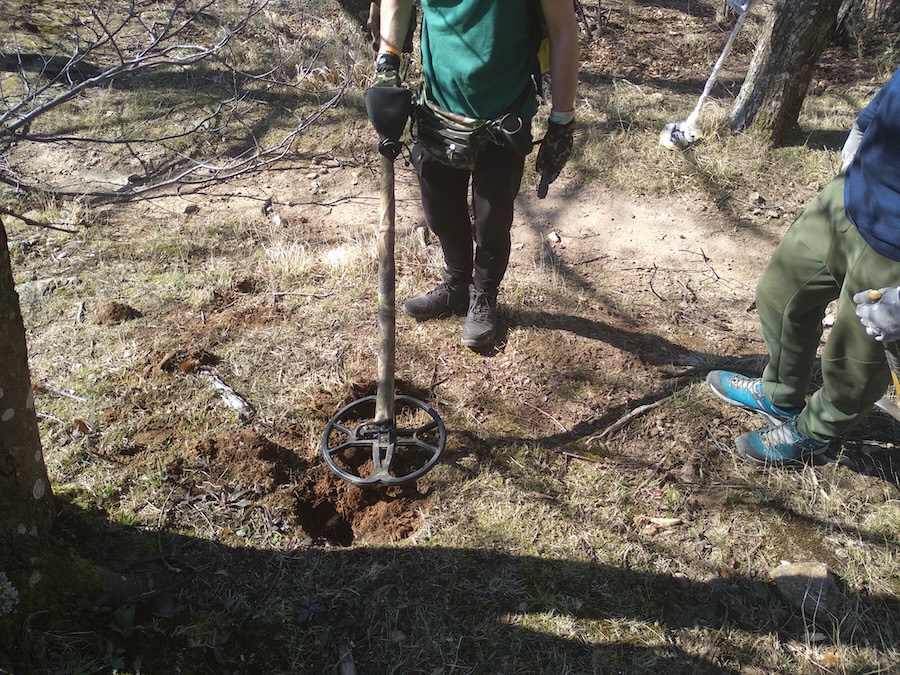
Finding property pins is a key step when you’re planning to build a fence, settle a boundary line dispute, or just want to clearly understand where your property line begins and ends. Using a metal detector to find property pins is not only effective, it can also save you time, money, and a lot of unnecessary digging, especially if you’re trying to avoid hiring a professional land surveyor.
At Garrett, we understand how important this process is for homeowners, contractors, and anyone working to identify or protect their land boundaries. Whether you’re building a fence, planning a new construction project, or resolving a property line dispute, accuracy matters. That’s why our team is here to walk you through each step, from selecting the right metal detector to understanding how to read your plat map and navigate challenges in the field.
Key Takeaways
- Property markers are usually made of steel or rebar and are located at the corners of your land to define legal boundaries.
- A metal detector is an effective and affordable tool for finding buried property pins without hiring a land surveyor.
- Begin your search with a plat map and measure from known landmarks like driveways or curbs to locate probable marker spots.
- Sweep methodically and use your detector’s signal indicators to differentiate rebar and iron pins from non-ferrous metals.
- Use a metal soil probe or pinpointer to confirm the signal before digging carefully to avoid damaging the marker.
- Garrett offers reliable metal detectors and pinpointing tools suited for locating buried property markers with accuracy.
Understanding What Property Markers Are
Property pins (also called property stakes, survey pins, or property pin markers) are small metal pins placed in the ground by professional land surveyors. Usually made of rebar or carbon steel, these markers were located at each corner of a property during the original survey and often remain in place for decades. Property markers help define your exact property lines and are essential for:
- Building a fence in the right spot
- Planning construction projects
- Avoiding disputes with neighbors
- Verifying property boundaries before planting, digging, or building
They’re sometimes found near your front curb, existing fence, or where your yard meets a street or neighbor’s land. Whether you’re a property owner, a contractor, or a land surveyor, finding the original survey markers helps you navigate the edge of your parcel with confidence.
Can You Use a Metal Detector to Find Property Pins?
Most property stakes are made from ferrous metal objects like iron, steel, or carbon steel, which makes them easy to find with a metal detector. These metal objects give off a strong signal when a detector passes over them, especially when they’re not buried too deep.
Using a metal detector to find property pins is a common method among homeowners, DIYers, and even professional surveyors looking to avoid the cost of hiring a full survey team.
What Makes a Marker Detectable
Not all markers are easy to detect. Several factors affect how easily your detector will pick them up:
- Size: Thicker metal pins are easier to detect.
- Depth: Many are buried 6–12 inches beneath the surface but could be deeper if the area has been regraded or filled in.
- Material: Most are made of rebar or steel. Please note: Some markers could be made of non-ferrous materials such as aluminum.
- Position: Pins are typically located at each corner of the property or along an edge where it meets a curb or utility lines.
Step-by-Step Guide: How to Locate Property Markers with a Metal Detector
Finding property pins can be a challenge, but with the right tools and a little know-how, it’s a process any property owner can handle. Whether you’re checking your boundary line before putting up a fence, resolving a dispute with a neighbor, or planning new construction, using a metal detector to find property pins is a smart and cost-effective solution.
1. Get Your Property Plat Map
A plat is a legal map that shows your parcel of land, its property boundaries, and the location of the original survey pins or property stakes. You can usually get a copy of your plat map from:
- Your title company
- Your county or city assessor’s office
- The planning department in your town
This document can also help you navigate around easements, utility lines, and areas where markers may have been replaced, pulled, or deep beneath the surface.
2. Start From a Known Location
Start from a clearly located landmark like your front curb, sidewalk, driveway, or a corner of your house. These features often align with points shown on your plat.
Use a tape measure or measuring wheel to walk the exact distance shown on your plat from your starting point. Most property markers are 10 to 15 feet from a known feature, often near the street, yard edge, or an existing fence.
3. Sweep the Area Methodically
With your metal detector, sweep the ground slowly using a grid or fanning pattern. Make overlapping passes to ensure no metal pins or metal objects are missed. Missing just one marker can throw off your understanding of the exact property lines.
Keep your detector coil close to the surface, an inch or less above the ground. Move at a steady pace, swinging the searcoil at a rate of about 3 feet per second. Rushing can cause you to miss the signal from deep metal pins or rebar buried under layers of dirt.
4. Listen and Interpret Detector Signals
Most property stakes are made of ferrous metals that give off low tones or specific numbers on many metal detecting units. Some detectors even offer target ID displays to help you filter out unwanted items like aluminum pull tabs or other trash items.
Don’t get distracted by coins or cans. Your goal is to find property pins, not treasure. Tune out signals from aluminum, copper, or other non-ferrous materials that don’t match what survey pins are made of.
5. Mark and Confirm the Spot
Once your metal detector gives a strong signal, mark the location using utility flags, stakes, or biodegradable spray paint. Keeping track of each possible marker is important, especially if you plan to review or fix an old fence or prevent encroachment.
Before you start digging, use a metal soil probe, pinpointer, or screwdriver to test for metal objects. This helps confirm that you’ve found a metal pin, not a buried rock or root. It’s a simple step that can save you time and effort.
6. Dig Carefully and Responsibly
Most property pins are located near surface level or buried less than ten inches deep, but they can be, but they can be deeper depending on how the land was graded or altered over time. Be prepared to dig a little, especially if your yard has been landscaped or filled in.
Use a small trowel or digging tool to carefully expose the pin. Avoid using a full-size shovel unless necessary, as it can damage your lawn or even the marker itself. Dig around the marker with care, then clean off the top so you can confirm it’s part of your property line.
Garrett Metal Detectors – Ideal for Finding Property Markers
When you need to locate buried property pins or boundary markers, having the right tools can make all the difference. Garrett’s line of metal detecting equipment offers dependable, user-friendly options to help homeowners, contractors, and land surveyors find markers quickly and accurately, even if they’re hidden under several inches of soil.
Garrett ACE 400: Power and Precision for Property Line Searches
The Garrett ACE 400 strikes an excellent balance between performance and ease of use. Its 10 kHz operating frequency provides enhanced sensitivity to small metal objects like buried iron stakes or steel rebar.
With Iron Audio and Digital Target ID, users can differentiate between trash and potential markers with confidence. The large search coil offers great ground coverage and depth, ideal for scanning along property lines. Whether you’re checking corners or tracing fence lines, the ACE 400 delivers dependable detection with minimal guesswork.
Garrett Pro-Pointer AT: Pinpoint Accuracy at Your Fingertips
Once your primary detector signals a potential find, the Garrett Pro-Pointer AT helps you zero in. This waterproof handheld pinpointer is designed for one-handed use with 360° side-scan detection, making it easy to locate property markers even in tight spaces or loose soil.
With its durable construction, LED light, and vibration/audio feedback, the Pro-Pointer AT is a must-have companion for efficient digging and precise recovery of buried pins.
Recap: How To Find Property Pins With A Metal Detector
Locating property markers with a metal detector is a practical DIY project for most property owners, whether you live in a small town or out in the country. With the right tools, a good survey or plat map, and a little patience, you can often locate property pins yourself and save money on hiring a professional surveyor.
If you’re starting from scratch, look near the front curb or corner of your property first. Then work along your property line, comparing measured distances to your survey documents. Keep in mind that many survey pins are made of steel, carbon steel, or aluminum, and may have been replaced or pulled over time, so don’t be surprised if not all markers are located easily.At Garrett, we offer some of the best detectors on the market. Need help choosing the right detector for locating your property markers? Feel free to reach out to us – we are happy to help!