
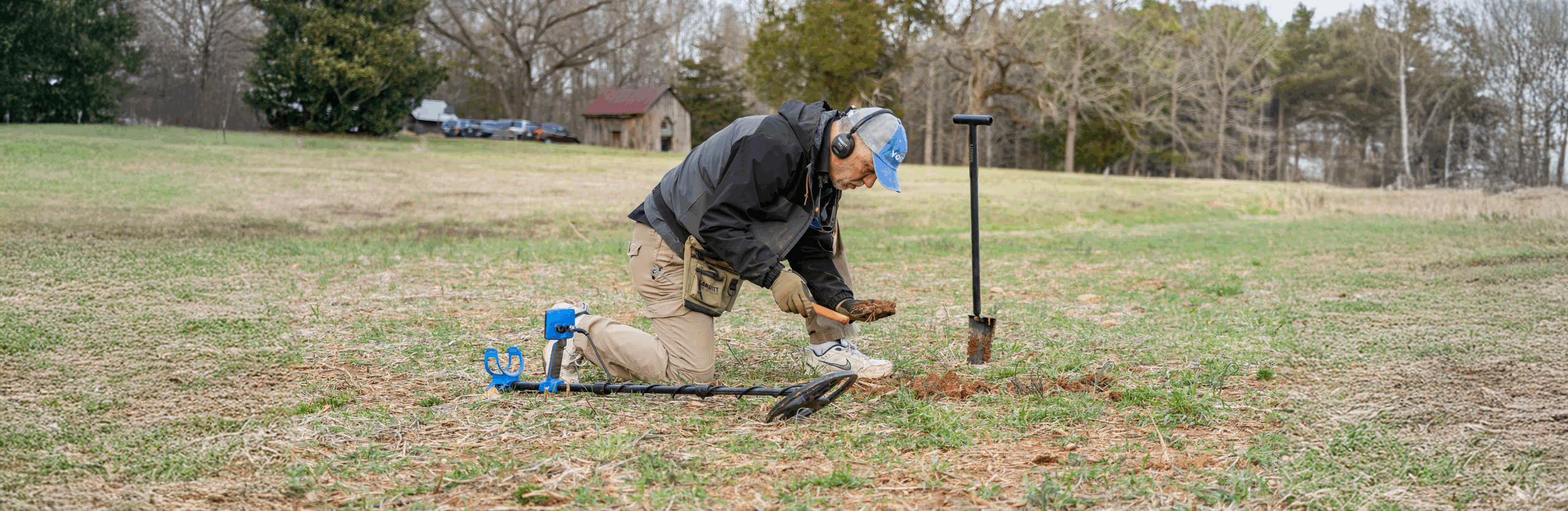
Metal detecting has become one of the fastest-growing outdoor hobbies, and companies like us at Garrett have helped countless people get started metal detecting with confidence. Whether you’re searching for rare coins, jewelry, or old relics, the metal detecting hobby gives you hands-on access to history hidden below the ground. It’s an educational hobby that teaches patience, research skills, and curiosity while keeping the experience fun and approachable for beginners.
Anyone can learn the basics with a simple machine, an inexpensive digging tool, and great advice from experienced metal detectorists. As you gain experience, you begin to understand how metal detectors work, how signals respond to different types of metal, and why certain metals react differently underground. With the right equipment and mindset, detecting as a hobby becomes a long-term adventure filled with stories, treasures, and memories.
Key Takeaways
- Metal detecting is an engaging outdoor hobby that blends exploration, exercise, and hands-on history.
- Understanding detector signals, tones, and metal behavior is the most important skill beginners develop over time.
- The hobby offers a wide range of finds, from modern coins to relics, jewelry, gold nuggets, and items with real historical value.
- Researching locations, securing permission, and practicing responsible digging dramatically improve success.
- Metal detecting provides physical, mental, and lifestyle benefits, making it a long-term, rewarding hobby for people of all ages.
- Garrett metal detectors offer beginner-friendly and advanced options that help hobbyists improve accuracy, depth, and overall success.
Why Metal Detecting Has Become a Fast-Growing Outdoor Hobby
People are drawn to metal detecting because it mixes treasure hunting and exploration in a way no other hobby does. You’re not just walking outdoors, you’re actively searching for hidden metal objects like old coins and copper relics. The hobby blends light exercise with unexpected excitement, turning every beep from your detector into a mystery waiting to be solved.
Metal detecting also creates emotional connections. Finding valuable items, old relics, or something with historical value like coins or civil war-era artifacts brings you closer to the world that came before us. Beginners of all ages gravitate toward metal detecting because it’s a great hobby that encourages learning, movement, and a sense of discovery from one search area to the next.
What Metal Detecting Actually Is (and How It Works)
Core Concept Behind Metal Detecting
Metal detecting works by sending magnetic signals into the ground to locate buried objects. Most detectors are specifically designed to detect certain metals while ignoring others. When your coil passes over a metal object, the machine gives off tones and Target ID information that help you decide whether to dig or keep moving.
Under the surface, signals change based on metal type and factors like depth, moisture, or soil makeup. Understanding how metal detectors work gives you better control over your hunts, helping you identify whether you’ve likely found iron trash like pull tabs and bottle caps or something valuable like gold nuggets, coins, or copper relics.
Common Items People Find
Most beginners start by finding modern coins, aluminum scraps, or everyday objects that people have dropped over time. These items build confidence and help you understand your detector’s tones and behavior in different metal detecting areas. Even simple finds help you learn the pattern of how detectors respond to trash versus treasure.
As you improve, you may start uncovering old coins, jewelry, and even valuable items like gold or in rare cases, historical pieces. Some metal detectorists find treasure in unexpected places, including beaches, abandoned buildings, and old homesteads on the east coast or elsewhere across the world. Every hunt brings a new chance to learn something and uncover artifacts that carry real historical value.
Essential Gear Every Beginner Needs
The Basic Setup
Your setup starts with a reliable metal detector. If you’re new to the hobby, you’ll find many inexpensive detectors that still perform well. A good shovel or sturdy digging tool is essential for cutting clean holes without damaging the ground or your find. These tools help you practice responsible detecting while keeping public areas neat.
Other essential equipment includes headphones for clearer signals and a pouch for coins, jewelry, and treasures. Adding a bag helps you stay organized and lets you separate trash from valuable items, which is important as you learn the difference between good targets and common trash like bottle caps and pull tabs.
Choosing the Right Starter Detector
Beginners often benefit from more basic detectors because they avoid overwhelming settings and help you focus on learning how most detectors behave. As you grow in the metal detecting hobby, you can upgrade to machines with advanced displays and better sensitivity.
Avoid extremely cheap machines that struggle to identify metal or provide inaccurate readings. Look instead for beginner-friendly options designed with straightforward controls. Good entry-level detectors are inexpensive yet accurate enough for new hobbyists to find treasure, old coins, and other meaningful discoveries.
Optional Accessories That Improve the Experience
Pinpointers, like our Garrett PRO-Pointer AT model, are small tools that help you quickly locate a target once you’ve dug a hole. They save time and reduce the amount of digging you need to do, which is good advice for anyone who wants to be more efficient. Other accessories include sand scoops for beach hunts, gloves to protect your hands, and coil covers to extend the life of your detector.
While not required, these accessories make detecting smoother, cleaner, and more enjoyable. They help you stay organized and protect your equipment as you explore different types of terrain, from city parks and beaches to abandoned buildings and old farmland.
How to Learn the Metal Detecting Hobby
Practice Makes Perfect
The easiest way to learn the metal detecting hobby is by practicing in your backyard. This gives you familiar ground to test signals without pressure. Try burying objects like coins, copper scraps, or even aluminum pull tabs to learn how signals change based on metal type and depth. Practicing this way builds your confidence and sharpens your instincts.
As you gain experience, you’ll learn to tell the difference between valuable items and common trash. You’ll also understand why certain metals produce stronger or weaker signals, which will help you make better decisions when you’re out detecting in unfamiliar metal detecting areas.
Understanding Signals and Tones
Different items produce different sounds and different Target IDs. Trashy iron items usually produce a low-tone growl or grunt sound, with a low Target ID number. Copper, aluminum, and silver produce a higher Target ID number and create a higher-pitched sound. Learning the differences takes time, but most detectorists agree that understanding sound is the most important skill in the hobby.
Depth, soil type, and object size all affect tones, too. A deep object may sound faint, while a shallow piece of trash may sound loud. With practice, you’ll learn to identify targets more accurately and understand how your detector reacts to various conditions.
Common Beginner Mistakes to Avoid
One of the biggest mistakes is ignoring signals that sound imperfect or “iffy.” Many old coins and relics don’t produce perfect tones, so skipping them means you may miss valuable items. Digging a wide range of signals helps you understand what your machine is really telling you.
Another common mistake is swinging the coil too fast. A slow, steady swing gives your machine time to read the ground. Beginners should also avoid creating messy or oversized holes, especially on private property or public land. Keeping the ground clean helps the hobby stay respected.
Best Places to Search (and Legal Rules You Must Know)
Top Public Spots for Beginners
Parks, beaches, schoolyards, and sports fields are perfect for beginners. These locations produce a wide mix of treasures like coins, jewelry, and old relics. Because they’re busy areas, people lose items often, which keeps the ground fresh with targets.
Cleared farmland and abandoned buildings can also be rich with history, especially near old homes or gathering places. These spots often contain relics, coins, or items from the civil war era, especially along the east coast.
Always make sure you follow local laws, rules, and regulations before searching in any new area and always leave the area in better condition than how you found it. Remove any dug trash, and carefully fill in any dig hole so that there is no obvious sign that you’ve been there.
Understanding Permission and Regulations
Whenever you search on private property, you should ask the property owner for explicit permission. Most people appreciate honesty, and it’s better to approach strangers politely than risk legal issues. Responsible detecting keeps the hobby respected and opens more doors for future hunts.
Federal land has strict limits, and many U.S. locations restrict metal detecting entirely. Some city and county ordinances also apply, so researching rules ahead of time protects you and the land. Responsible hobbyists always leave areas cleaner than they found them.
Researching High-Value Sites
Research is key in the metal detecting hobby. Your local library is a great place to study old maps, newspaper archives, and community history. These resources help you find forgotten meeting spots or abandoned homes that may still contain valuable items.
Studying maps or reading about old towns gives you great ideas about where people once lived, worked, or gathered. The more research you do, the more likely you are to find treasure.
Different Types of Metal Detecting (Choose Your Path)
Coin Detecting
Coin detecting focuses on finding modern coins, old coins, and sometimes rare collectible pieces. Parks and schools are popular areas because people drop coins often. This form of detecting gives beginners a steady stream of small wins that keep the hunt exciting.
Over time, you may find silver pieces, copper coins, or even coins with historical value. Many detectorists love coin detecting because it requires little equipment and offers constant opportunities to learn.
Relic Hunting
Relic hunting aims to uncover items left behind by earlier generations. Civil war relics, buttons, buckles, and tools are possible to find in older parts of the country. Areas along the east coast often hold layers of history waiting to be discovered.
Soil conditions and location history matter greatly when searching for relics. Relic hunters often spend hours studying maps and learning the stories behind a site before detecting.
Beach & Underwater Detecting
Beach detecting is popular because waves and storms constantly shift the ground and reveal new targets. Aluminum objects, gold jewelry, and coins regularly wash ashore, creating endless possibilities. Sand scoops make recovering items easier.
Saltwater detecting requires equipment specifically designed to handle minerals and corrosion. Waterproof detectors, like our Vortex VX9 model, are essential if you plan to hunt in shallow water or tidal areas.
Gold Prospecting
Gold prospecting involves searching for natural gold nuggets in areas where erosion exposes minerals. This type of detecting takes patience, but the rewards can be incredible. Many prospectors explore rocky terrain or riverbeds to find gold.
Gold detectors are built to detect even tiny nuggets among minerals that confuse standard detectors. With the right machine and knowledge, prospecting becomes one of the most challenging yet rewarding parts of the hobby. If you plan to focus on looking for gold, our Garrett Goldmaster 24k is the perfect option with entry-level pricing.
Health, Lifestyle, and Economic Benefits of Metal Detecting
Physical Benefits
Metal detecting encourages frequent walking and movement across different terrain. It’s low-impact exercise that gets you outdoors and improves flexibility. You can enjoy the hunt without needing intense workouts.
Fresh air and sunlight help improve wellness, and the constant motion keeps your body active. Many hobbyists say the benefits of metal detecting have improved their overall lifestyle.
Mental Benefits
The hobby provides relaxation and a sense of escapism. Detecting helps you clear your mind as you focus on signals and the movement of your coil. The satisfaction of discovery is a natural mood booster.
Connecting with local history and meeting other detectorists also builds community. Sharing stories, learning good advice, and exploring the world around you make detecting more meaningful.
Profit Potential (Realistic Expectations)
While it’s possible to find gold, rare coins, or other valuable items, most detectorists view detecting as a hobby first. Profit is a bonus, not a promise. Time spent outdoors, learning, and exploring often outweighs financial gains.
Start with inexpensive equipment and upgrade as your interest grows. Over time, your skills improve, and the value of your finds may increase too. Whether treasure is common or rare, the real joy comes from the adventure.
Garrett Metal Detectors for Hobbyists
Garrett metal detectors remain some of the most trusted tools in the metal detecting hobby, offering durability, smart technology, and user-friendly designs that help hobbyists of all skill levels find more treasure with less guesswork. Whether you’re coin detecting, relic hunting, or exploring new detecting areas, our lineup gives you dependable performance from your very first hunt.
Garrett ACE 200
The ACE 200 is one of our most beginner-friendly detectors, giving new hobbyists a simple, confidence-building learning curve with entry-level pricing. Its lightweight build and intuitive ID system make it perfect for anyone getting started in the metal detecting hobby.
- 6.5 kHz frequency ideal for coins and general detecting
- 0–99 Digital Target ID for clearer metal object identification
- 3 search modes: Coins, Jewelry, Zero Discrimination
- 4 sensitivity levels for adapting to different ground conditions
- 6.5″ × 9″ PROformance™ concentric coil (submersible)
- Lightweight 2.75-lb design with stabilizing camlocks
The ACE 200 makes learning the hobby easy, fun, and frustration-free while still offering reliable performance in parks, schoolyards, and common detecting sites. It’s a great stepping-stone detector for hobbyists who want room to grow without complexity.
Garrett Vortex VX5
The Vortex VX5 brings multi-frequency power and full waterproofing to hobbyists who want more capability without a steep learning curve. It’s built for detectorists ready to upgrade into a more versatile, all-terrain machine while still being a very affordable option.
- MD-MF multi-frequency or selectable 13 kHz single frequency
- Fully waterproof to 16 feet (coil + control box)
- 4 search modes + Pinpoint for a variety of hunt styles
- 175-point ground balance for cleaner signals in mineralized soil
- Built-in Z-Lynk wireless and rechargeable 15-hour battery
- 8.5″ × 11″ DD Raider™ coil for deeper, wider coverage
With advanced stability and clearer target separation, the Garrett VX5 is a natural next step for hobbyists hunting beaches, fields, and high-trash areas. It also offers software upgradability, making it a detector that grows with your metal detecting journey.
Garrett Vortex VX9
The Vortex VX9 gives experienced detectorists a high-performance tool capable of tackling nearly any environment, from saltwater beaches to relic-rich battlefields. Its high-frequency options make it especially powerful for hunting gold, thin coins, and other low-conductive targets.
- MD-MF Multi-Frequency + 5, 9, 13, 18, 25 kHz + Multi-Salt
- Fully waterproof to 16 feet for surf and river detecting
- 7 search modes, including Beach, Thin Coins, and Fast
- 3-tier Target ID for clearer ferrous vs. non-ferrous accuracy
- 175-point ground balance for expert soil control
- Z-Lynk wireless + 8.5″ × 11″ DD Raider coil
For detectorists who take the hobby seriously, the Garrett VX9 delivers professional-grade speed, depth, and target clarity. It’s built for hobbyists who want to chase deeper relics, rarer coins, and more challenging terrains with confidence.
Why Metal Detecting Remains One of the Most Rewarding Outdoor Hobbies
Metal detecting as a hobby continues to grow because it blends fun, challenge, and real discovery. Whether you find treasure, old coins, or everyday objects, each signal brings adventure. With the right approach, anyone can explore the hobby and uncover pieces of the world’s past hidden beneath the ground.
Focusing on research, responsibility, and learning ensures every outing is productive and enjoyable. With the right equipment and curiosity, detecting becomes more than a pastime, it becomes a lifelong source of adventure, discovery, and appreciation for the world around us. And if you need help choosing the right metal detector to get started, just reach out to our team at Garrett, we are happy to point you in the right direction.