
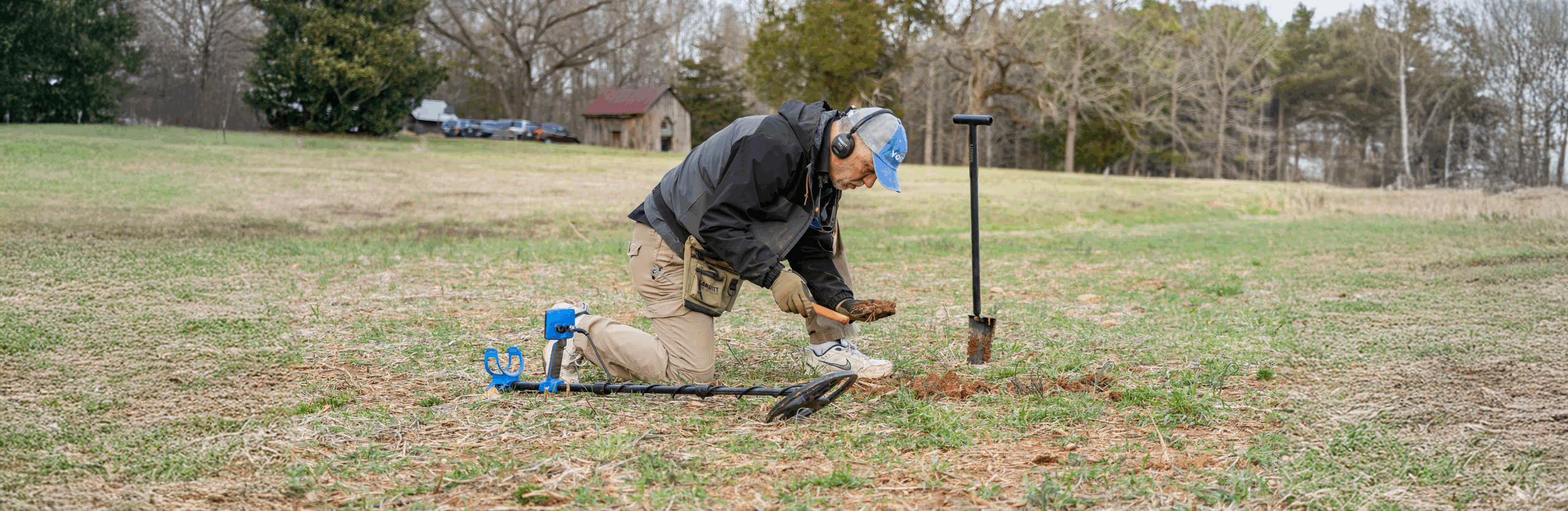
Metal detecting rewards go to those who know where to look, not just how to swing a coil. You can own the best detector on the market and still walk away empty handed if you’re searching in the wrong spot. Skill matters, and learning to read your machine’s signals matters too, but location decides most of your success before you even turn the power on. Beginners focus on gear, settings, and technique, while the detectorists who consistently bring home good finds have learned to think like a treasure map before they think like a technician.
This guide from our team at Garrett covers proven location types, tips for specific site categories, and the legal and ethical rules you need to follow before digging. A common thread runs through every good spot on this list: these are all places where people have historically gathered in large numbers, whether last weekend or a hundred years ago. Once you understand that thread, you can apply it anywhere you travel.
Key Takeaways
- Location matters as much as more than equipment when it comes to successful metal detecting.
- Search anywhere people have gathered in large numbers over time, following the gathering principle.
- Beaches are most productive right after storms or busy holiday weekends.
- Spectator areas like sidelines, bleachers, and dugouts outperform the actual playing field on sports sites.
- Always research site history and secure proper permissions before digging on public, federal, or private land.
- Garrett offers detectors like the Vortex VX9, Goldmaster 24k, and Pro-Pointer AT suited to different terrains and search styles.
Why Location Matters More Than Equipment
High traffic, long standing gathering spots accumulate lost items over years or even decades. Every ring that slips off, every coin that falls from a pocket, and every earring lost in the grass adds up over time. A location that has hosted crowds for generations will hold far more finds than a quiet backyard with only a handful of visitors a year.
This is the gathering principle: any place with sustained foot traffic over a long period is a strong candidate for metal detecting, even if it never appears on a list like this one. Fairgrounds, old dance halls, church picnic grounds, and closed drive-in theaters can all qualify through this lens. A useful trick is cross referencing old maps or aerial photos with current locations, which helps you find spots that have stayed popular for generations and often hold older, more interesting items the deeper you search.
Beaches & Swimming Holes
Why Beaches Are a Top Choice
Beaches see a high turnover of visitors almost every single day, especially during warm months. Thousands of people can pass through a single stretch of sand in a summer, and each one of them is a potential source of a lost item. Water activity also increases the odds that people lose valuables, since rings slip off in cold water.
Swimming holes along rivers and lakes work on the same principle, even if they see fewer visitors than a public beach. The combination of water, bare skin, and repeated visits over many summers makes these locations reliable, and many swimming holes have been popular local hangouts for far longer than people realize. Just make sure you invest in an underwater or waterproof detector.
Best Spots to Target
The table below breaks down the most productive areas at a typical beach and explains why each one tends to produce results.
| Location | Why It Works |
| Wet sand at low tide | Items sink and settle here after being lost in the water |
| Volleyball courts | Rings and jewelry fly off during active movement |
| Blanket and towel areas above the high tide line | People empty pockets while relaxing and often miss small drops |
Timing Tips
The best time to search a beach is right after a storm or right after a busy holiday weekend. Storms move and expose sand that has been undisturbed for a long time, uncovering items that have been buried for years and pulling them closer to the surface where a metal detector can pick them up.
A big crowd leaving after a holiday guarantees a fresh batch of lost items waiting just under the surface, since more people on the sand means more chances for something small to slip away unnoticed. Early morning or evening after a holiday, before the next wave of visitors arrives and before the beach gets raked or cleaned, tends to be the single best window for a productive search.
Parks & Schoolyards
Modern Parks
Modern parks offer several dependable zones for detecting. The areas beneath large shade trees tend to be popular because people sit and relax there for long stretches, giving items plenty of time to slip out of pockets or bags during a long afternoon of reading, eating, or napping in the shade. Here are four spots worth checking at any modern park:
- Areas beneath large shade trees
- Walking paths and the edges of trails
- Around playground equipment
- Benches and picnic table areas
Historical Parks and Schoolyards
Older parks are often layered with decades of lost coins and jewelry, having welcomed visitors far longer than newer developments. Their deeper history means you may find older coinage, buttons, pins, and other artifacts tied to past decades of community events.
Schoolyards are another strong option since they’re long term, repeat use sites, and small items get lost in the same areas year after year. Older schoolyards in continuous use since before modern coinage changes can be especially rewarding, holding decades of layered history in a small footprint.
Sports Fields
Football & Soccer Fields
The most productive area on a football or soccer field is not the playing surface itself. It is the sideline area, where spectators stand and pace throughout the game, since that is where jewelry and coins are most likely to fall unnoticed while people cheer, shift their weight, and reach into pockets for their phones or car keys.
Youth league fields that have hosted games for many years can be just as productive as larger stadiums, and they are often easier to get permission to search since they tend to be run by local parks departments or school districts rather than private organizations.
Baseball Diamonds
Bleacher zones and the areas around dugouts are the best places to search at a baseball diamond. Spectator zones consistently outperform the playing field because players carry very little metal on them, while fans in the stands are constantly reaching into pockets and bags for snacks, phones, and other items throughout a long game.
Concession stand lines and the grassy areas just outside the fence are also worth a pass with your detector, since crowds tend to gather there before games start and during breaks between innings, creating another reliable pocket of lost change and small jewelry over time. As with any detecting site, it is crucial that you not leave the area with any visible dig holes. Use a small recovery tool to keep the areas in their natural condition.
Historical Homesteads & Gathering Sites
Researching Before You Dig
Old maps, county records, and local historical societies can point you toward former fairgrounds, homesteads, and community meeting spots that no longer exist above ground. These records often reveal locations that are completely invisible to someone just walking the land today, since a building or gathering space that stood a century ago may have left no visible trace on the surface.
These historical sites tend to yield buttons, relics, and older coinage compared to the more modern finds you would expect at a current day park or beach. The deeper history of the location often means older, rarer items sitting closer to the surface than you might expect, especially in areas that have not been disturbed by construction or heavy landscaping in recent decades.
Reading the Land
Even without records, the land itself can offer clues. Foundation remnants, old fence lines, and unusual clearings in an otherwise wooded area often mark where a home, barn, or gathering space once stood, and these spots are worth a closer look with your detector.
Subtle changes in vegetation can also be a clue, since old building foundations and buried debris often change how grass or brush grows above them. A patch of ground that looks slightly different from its surroundings, whether it is a depression, a mound, or an area where plants grow differently, is often worth a few extra sweeps before you move on.
Legal & Ethical Considerations Before You Search
Public Land Rules
Many city and state parks allow metal detecting, but some require a permit or restrict digging in certain protected zones. Rules can vary significantly from one city to the next, so it pays to check ahead rather than assume the same rules apply everywhere you travel.
Always contact the local parks department before you start searching a new public site. A quick phone call or email can save you from a fine and help you understand exactly where you are allowed to dig, and it also gives you a chance to ask staff about the history of the park, which can sometimes point you toward productive areas you would not have found on your own.
Federal Land Restrictions
Metal detecting is prohibited in National Parks and at designated historical or archaeological monuments. These protections exist to preserve sites of national significance, and violating them can lead to serious legal consequences, including significant fines and confiscation of equipment.
Because federal rules apply nationwide and rarely have exceptions, it is smart to treat any federally managed land as off limits unless you have confirmed otherwise in writing from the managing agency.
Private Property Etiquette
Explicit landowner permission is required every single time you want to search private property, even if you have permission from a neighboring property or searched there once before. Assuming permission carries over is one of the fastest ways to damage trust with landowners and can end up closing off a site permanently.
Best practice is to get that permission in writing and clarify up front how any finds will be handled, whether that means splitting valuable items, returning anything with sentimental value, or simply keeping the landowner informed of what you dig up. Filling in every hole neatly and leaving the property looking untouched goes a long way toward keeping that permission open for future visits.
Quick-Reference Checklist Before Heading Out
Every good metal detecting trip starts long before you step out the door. Running through a few key steps ahead of time can save you from wasted trips, legal trouble, or missed opportunities once you get to your site. Use this checklist as a fast reference before you head out.
- Identify a high traffic location type, such as a beach, park, field, or historical site
- Research the site’s history using old maps or local records
- Confirm land ownership, whether public, federal, or private
- Check local ordinances or permit requirements
- Get written permission if the land is private
- Plan your timing, such as after a storm, during off peak hours, or right after an event
Once you have checked off each of these steps, you can head out with confidence knowing your trip is both legal and well planned. A little preparation goes a long way toward turning a random outing into a genuinely productive search.
Choosing the Right Detector for Your Skill Level and Search Style
Every location on this list calls for a slightly different tool. Beaches demand waterproof durability, mineral rich ground rewards specialized frequency tuning, and every site benefits from fast, accurate pinpointing once a signal is found. Here is a closer look at three Garrett detectors built for these exact situations.
Garrett Vortex VX9
The Vortex VX9 is Garrett’s professional tier detector, built for serious detectorists who search everywhere from dry sand to open water.
- Multi-frequency and Multi-Salt technology designed specifically for beach and water detecting
- Fully waterproof and submersible up to 16 feet
- Three tier target ID system for more accurate iron identification
- Rechargeable lithium ion battery with up to 15 hours of use per charge
If you plan to spend your weekends working the wet sand and swimming holes covered earlier in this guide, the VX9 is built to handle that environment without missing a beat.
Garrett Goldmaster 24k
The Goldmaster 24k is a high frequency detector built specifically for finding gold in tough, mineralized ground.
- 48 kHz VLF frequency tuned for small gold nuggets
- XGB automatic ground balance system for highly mineralized soil
- Adjustable sensitivity from 0 to 10 with audio boost
- Lightweight 3.4 pound design for long days in the field
For detectorists exploring old homesteads, riverbeds, or historical gathering sites where mineralization can hide valuable finds, the Goldmaster 24k is built to cut through the noise.
Garrett Pro-Pointer AT
The Pro-Pointer AT is a handheld pinpointer designed to speed up target recovery once your main detector gives a signal.
- Fully waterproof and submersible up to 20 feet
- Proportional audio and vibration that intensifies as you near the target
- 360 degree side-scan tip for thorough recovery in tight holes
- Built in LED flashlight for low light conditions
No matter which high traffic location you are searching, from a crowded beach to an old schoolyard, the Pro-Pointer AT helps you recover targets faster and leave a smaller footprint behind.
Understanding How to Find Good Metal Detecting Locations
The core principle behind every successful detecting trip is simple. Go where people gather, then narrow your search by item type and site history. Beaches, parks, sports fields, and old homesteads all follow this same pattern, and once you start recognizing it, you will spot promising new locations everywhere you go, from county fairgrounds to old church picnic grounds you pass on your daily commute.
Doing the legal groundwork first protects both the hobby and your future access to great sites, since landowners and park departments are far more willing to work with detectorists who show respect for the rules. Start with a park or beach near you this weekend, and always check permissions first before you dig.
Ready to find the right detector for your next adventure? The best choice depends on your experience level and the type of hunting you plan to do most. Contact our team at Garrett and we will help you pick the detector that fits your skill level.