
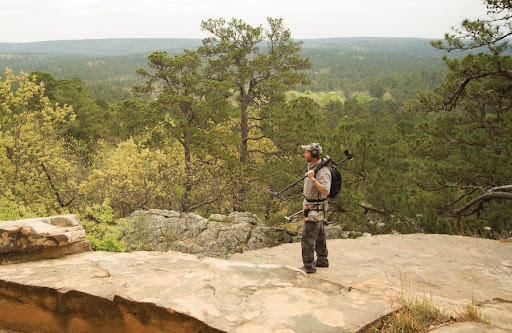
Every patch of woods, field, and farmland is home to something wild. Deer bed down along the timber, turkeys roost in the oaks, and countless smaller animals depend on these quiet places to survive. When poachers break the law, they take more than one animal. They harm the health of the whole habitat. Game wardens can’t be everywhere, and that gap is where hobby metal detectorists can make a real difference.
At Garrett, we’ve spent decades in the field with detectorists, swinging coils across fields and forgotten homesteads. Along the way, we’ve seen how much people in our hobby care about the land and the wildlife that lives on it. Below, we’ll walk you through how your time in the field can help protect those animals, from spotting warning signs to working with landowners and law enforcement.
Key Takeaways
- Detectorists spend long hours in the remote fields, woodlines, and old homesteads where poachers often operate.
- Small clues like fresh tire tracks, cut fences, hidden bait, and buried shell casings can point to illegal hunting.
- Photograph evidence in place and record GPS coordinates, date, time, and weather without touching anything.
- Report what you find to your local game warden and the landowner, and never confront suspected poachers.
- Building trust with landowners turns detecting access into free, ongoing habitat monitoring.
- Garrett’s Vortex CSI Field Kit helps detectorists locate casings and other evidence to support wildlife investigations.
Why Metal Detectorists Are Well Positioned to Spot Poaching
Remote land is hard to patrol, and illegal hunters count on that. One warden may cover hundreds of square miles, and many poaching cases go unsolved simply because nobody saw anything. Hobby metal detectorists can help deter and report illegal hunting, poaching, and trespassing on public lands like forests and private property.
Most outdoor users stick to trails, lakes, and parks, but detectorists go the other way. We spend long, slow hours in places where people once lived and worked but no longer visit, which are the same quiet corners illegal hunters like to use. Because we move slowly and study the ground closely, we notice small changes and can act as an extra set of eyes and ears where they are needed most.
Where Detectorists Spend Their Time
A good day of detecting often means walking secluded fields and the edges of woodlines. Old homesteads and abandoned farmsteads are favorite detecting spots because they hold coins, buttons, and relics. We also search rural property borders, where old fence lines and boundary paths once saw heavy use.
These are not places with much traffic. Weeks can pass without another person setting foot there. When something looks out of place, a regular detectorist is often the first to notice.
Why These Areas Attract Illegal Hunters
Poachers look for the same things we do: low foot traffic and little oversight. Field edges next to timber are common spots for illegal wildlife poaching and spotlighting, which is shining a light at night to freeze deer. Back roads near old farmsteads give quick access and easy escape.
Most of all, poachers assume nobody is watching. A detectorist who shows up often breaks that belief. The table below shows how these places line up.
| Location Type | Why Poachers Use It | What Detectorists Should Watch |
| Secluded fields and woodlines | Deer travel these edges at dusk and night | Spotlight spots, drag marks, blood trails |
| Old homesteads and farmsteads | Hidden access from old lanes and driveways | Fresh tire ruts, hidden bait, trash piles |
| Rural property borders | Easy to slip across from neighboring land | Cut fences, new paths, unfamiliar stands |
Warning Signs Detectorists Should Watch For
Knowing what to look for is half the battle. Most signs of poaching are small and easy to miss if you are not paying attention. We group them into four main types:
- Signs of recent human activity, like fresh tracks and night camps
- Illegal hunting setups, such as hidden stands, bait, and traps
- Property damage, including cut fences and broken gates
- Physical evidence left behind, like shell casings and gear
We suggest taking a slow walk around the edges of a site before you start digging. Five minutes of looking can tell you a lot about who has been there. Each of these signs is covered in more detail below.
Signs of Recent Human Activity
Fresh vehicle tracks that leave an established trail are a big clue. So are recently disturbed camp areas, like a new fire ring or flattened grass where someone sat. Pay attention to signs of night activity, such as spent glow sticks, flashlight batteries, or reflective tacks on trees. Track freshness matters. Sharp edges in mud, or tracks over yesterday’s rain, point to recent use. Old, rounded tracks usually mean the activity is older.
Illegal Hunting Infrastructure
Hidden or unauthorized tree stands are common on land where the owner never gave permission. Illegal bait piles of corn, apples, or mineral blocks may also show up, especially in states or seasons where baiting is banned. Traps or snares set outside legal rules are another serious warning sign.
Learn what is legal in your state before you judge what you see. A stand may belong to a hunter with permission. When in doubt, report it and let the experts sort it out.
Property Damage and Access Points
Cut or tampered fences are a clear red flag. Poachers often snip wire to drag deer out or to drive in quickly. Look closely for fresh cuts, bent posts, or wire tied back with string. Damaged gates or buried boundary markers also tell a story. Missing posted signs or broken locks often mean someone wants in without being seen.
Physical Evidence Left Behind
Here is where our hobby really shines. Abandoned shell casings can be located with a detector even when they are buried in leaf litter or soil. A fresh casing gives a strong, clear signal because detectors pick up brass easily.
Discarded gear or equipment near kill sites or bait piles also helps investigators. Knives, gut piles, rope, and food wrappers can all connect a suspect to the scene. Leave them exactly where they are.
How to Document and Report What You Find
A tip with good details is far more useful than a vague report. Investigators need facts they can check and use. Your phone is your best tool. With a few habits, you can turn a simple sighting into evidence that holds up.
Building a Useful Timeline
Documented finds help investigators figure out when illegal activity happened. A shell casing that was not there last week but is there today narrows the window. Regular visits to the same land make your notes even more valuable. Always photograph evidence in place and don’t touch anything. Then record the key details shown in the table below.
| What to Record | How to Capture It | Why It Matters |
| Photos in place | Wide shot, then close-up with an object for scale | Shows the exact scene before anything moved |
| GPS coordinates | Phone map pin or GPS app | Lets wardens find the spot quickly |
| Date and time | Phone timestamp plus a written note | Builds a timeline of activity |
| Weather and track freshness | Note recent rain, frost, or wind | Helps estimate how old the evidence is |
Who to Contact
Your local game warden is usually the best first call. Most state wildlife enforcement agencies also run tip lines, and many accept reports online or by text. Many wardens also use detectors suited for poaching cases, so your GPS pins help them search fast.
You should also tell the property owner, which we cover in detail below. Owners have a right to know what is happening on their land. They may also have trail cameras that can help.
What Not to Do
Avoid collecting or moving evidence unless a warden or officer tells you to. Picking up a casing or moving a trap can ruin fingerprints and confuse the scene. If you already dug up a casing by accident, bag it, note where it came from, and tell the warden. Never confront suspected poachers directly. People breaking the law with guns can be dangerous. The rule is simple: observe, retreat, and report.
Partnering With Landowners and Farmers
Most good detecting spots are on private land. That means your relationship with the owner is everything. When owners trust you, they see you as a helper, not an intruder. That trust is what turns a hobby into real habitat protection.
Building Trust Before You Dig
Always ask permission first. Follow local rules, which vary by state and county. Respect crops, livestock, and property boundaries at all times. Fill every hole, close every gate, and stay off planted fields unless the owner says otherwise. Small habits like these build a reputation fast.
Becoming a Reliable Point of Contact
Notify owners right away if you see trespassers, poachers, or damaged property. A quick text with a photo and a map pin is often all they need. A good update should cover these four things:
- What you saw, such as a cut fence or a new tree stand
- Where you saw it, with a GPS pin or clear landmark
- When you saw it, including the date and time
- Whether you also reported it to a game warden
Offer a short update after each visit, even when nothing happened. A simple note like “All clear on the north fence today” goes a long way. Over time, owners start to count on you.
Why This Relationship Benefits Both Sides
Landowners gain informal monitoring at no cost. Many farmers live miles from some of their parcels and rarely check them. You become a free set of eyes on land they cannot watch every day. Detectorists earn ongoing access and goodwill in return. Owners often pass your name along to neighbors. In our experience, one good relationship can open up a whole township.
Beyond Poaching: Assisting Law Enforcement
The skills that find old coins can also help solve crimes. Many agencies are starting to see that. Detectorists who build good reputations sometimes get called in for serious work. It is a natural next step for those who want to give back.
The Resource Gap in Policing
Few government agencies or police departments have dedicated metal-detecting units. Most officers have little training with detectors. That leaves a gap when evidence is buried or scattered over a wide area. Funding for field recovery work is also limited. Departments often cannot buy quality recovery detectors or pay for long searches. Volunteers help close that gap.
How Hobbyists Fill the Gap
Experienced hobbyists help with criminal evidence searches, such as looking for casings at a shooting scene. They also assist with weapon sweeps when a gun or knife may have been tossed. Some help with forensic recovery work involving keys, phones, or jewelry tied to a case.
Our grid-search habits are a big advantage. We know how to cover ground slowly and carefully. Agencies value that patience.
Becoming a Vetted Volunteer
Agencies rely on reputable, trustworthy hobbyists because evidence has to hold up in court. They need people who follow directions and keep good records. One careless mistake can harm a case.
Build your reputation through clubs, references, and clean field ethics. Club leaders often know local officers. A strong record of permission-based detecting makes you a much easier volunteer to approve.
Getting Started: Turning Your Hobby Into Habitat Protection
You do not need special training to start helping. A few simple steps will prepare you for whatever you find in the field. Here is our short checklist:
- Join a local detecting club with landowner or agency connections
- Save contact info for your state wildlife agency and game warden in your phone
- Carry a basic field kit with your phone, a GPS app, a notebook, and flags
- Learn your state’s hunting seasons and regulations so you can recognize violations
None of these steps take much time or money. Most detectorists can check every box in a single weekend. Once you do, every trip out becomes a chance to protect the land you love.
Protect Wildlife With Garrett Gear: Vortex CSI Field Kit
The right equipment makes it easier to find evidence and help wardens build strong cases. The Vortex CSI Field Kit is our most advanced crime scene detector, packaged with the tools you need to search and recover evidence in fields, woods, and water. It is lightweight, runs on a built-in rechargeable battery, and is simple to learn.
- Bullets Mode finds lead bullets and brass or copper casings while silencing common iron trash
- Steel Casings Mode helps identify tricky steel casings and steel casings with non-ferrous plating
- Fully waterproof to 16 feet, so you can recover evidence from lakes, streams, and saltwater
- Includes our Blackline CSI PRO-Pointer AT pinpointer, CS-3 wireless headphones, a 6″ x 11″ DD searchcoil, and a test target box
Poachers often leave casings behind in leaf litter, creek beds, and field edges. With the Vortex CSI Field Kit, you can locate that evidence quickly and help wardens protect the wildlife that depends on these lands.
Every Hunt for Treasure Can Help Protect Wildlife
Detectorists already cover the terrain where poaching happens. We walk the woodlines, old farmsteads, and quiet borders that others ignore, often for hours at a time. Our slow pace and sharp eye for detail help us notice fresh tracks, cut fences, and buried casings that most people would walk right past. That puts us in a perfect spot to help.
By observing, documenting, and reporting, you give wardens the facts they need to build strong cases. Even a single photo with a GPS pin can make a difference. Start today by building strong landowner relationships and connecting with your local wildlife enforcement. Your next hunt for treasure could help protect the deer, turkey, and other wildlife that share that land.
Want to take your hobby further? If you’re looking for a metal detector suited for CSI investigations or field gear that makes evidence recovery easier, our team at Garrett is here to help. Contact us today, and we’ll match you with the right equipment for protecting wildlife and supporting the investigators who defend it.