
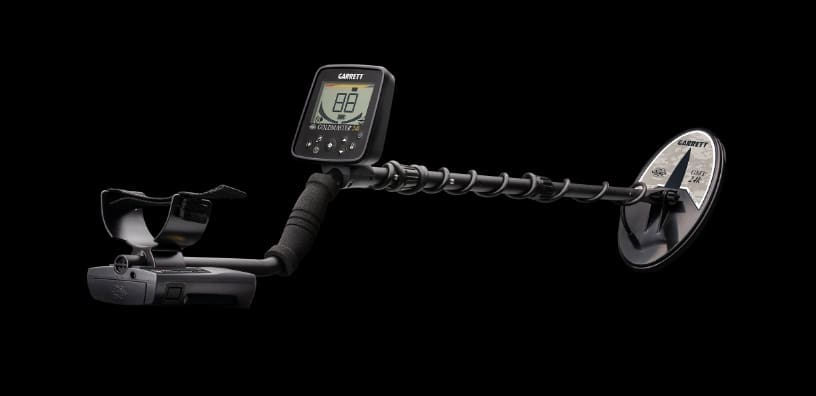
A VLF metal detector is a machine that uses a continuous low frequency electromagnetic signal to find and identify metal buried in the ground. It is the most common type of metal detector sold today, and most beginners start their hobby with one.
VLF stands for Very Low Frequency, which describes the type of electromagnetic wave the detector sends into the soil. This technology strikes a good balance between depth, accuracy, and price, which is why it dominates the hobby market, though pulse induction and multi-frequency models offer their own advantages in certain conditions.
In this article, our team at Garrett will explain how VLF detectors work, what features make them useful, and where they perform best. By the end, you will understand whether a VLF detector fits your treasure hunting goals.
Key Takeaways
- VLF metal detectors send a continuous low frequency electromagnetic wave (3–30 kHz) into the ground to locate and identify buried metal.
- Three core components work together in a VLF detector: the transmitter coil, the receiver coil, and phase shift analysis.
- Phase shift analysis lets the detector estimate a target’s depth and likely metal type, while also helping filter out interference from natural minerals in the soil.
- Strong metal discrimination is a major advantage of VLF detectors, helping users skip junk targets like nails and foil to focus on valuable finds.
- VLF detectors perform best in mild to moderate mineralized soil and are ideal for coin shooting, jewelry hunting, relic hunting, and light gold prospecting, while Pulse Induction detectors are better suited to heavily mineralized or saltwater ground.
- Garrett offers both single-frequency models like the ACE series, and multi-frequency models like the Vortex line, to suit different experience levels and hunting environments.
VLF Metal Detector Definition
A VLF detector uses a continuous electromagnetic wave to locate and identify buried metal. Instead of sending short bursts of energy like some other detector types, it sends a steady, unbroken signal into the ground. This constant wave allows the detector to read subtle changes caused by metal objects with a high level of detail.
The term VLF refers to the frequency range these detectors operate in, usually between 3 and 30 kilohertz. This range is low enough to travel through soil without much interference, yet high enough to react quickly to metal targets. Because of this balance, VLF has become the default choice for most hobby detectorists, from weekend beachcombers to people who spend their weekends digging up old relics and coins.
How a VLF Metal Detector Works
A VLF detector relies on three main parts working together to send a signal, read the response, and translate that response into useful information for the user.
The Transmitter Coil
The transmitter coil sends a continuous sine wave of electrical energy into the ground. This wave creates a magnetic field that spreads out and moves downward into the soil beneath the coil.
This magnetic field is invisible, but it acts like an extended arm reaching into the earth. As the field passes through the ground, it searches for anything that might disturb its normal pattern, and the size and shape of the coil itself, something covered when comparing coil shapes and sizes, has a big impact on how far that field reaches.
The Receiver Coil
While the transmitter sends energy out, the receiver coil listens for any signal that bounces back. If the magnetic field passes over metal, it creates a small electrical charge inside that object through a process closely tied to what happens when electricity swirls inside a conductive object.
That charged metal object then creates its own tiny magnetic field, and the receiver coil picks up this new signal. The strength and shape of the returning signal tells the detector that something metallic is nearby, setting up the next stage of analysis.
Phase Shift Analysis
Once the receiver coil picks up a signal, the detector compares the timing of that signal to the original transmitted wave. This timing difference is called phase shift, and it changes depending on the type of metal the wave passed through, though naturally occurring minerals in the dirt can throw off these readings unless the machine is properly tuned to ignore the native soil.
This phase shift data allows the detector to estimate both how deep the target is buried and what kind of metal it might be. This step is often considered the brain of the detector because it takes raw electrical signals and turns them into information the user can act on, and learning to interpret those numbers and icons on the display takes most people a few outings to get comfortable with.
Key Features of VLF Metal Detectors
VLF detectors come with several features that make them practical for everyday use, especially for people who do not want to dig up every piece of buried metal they walk over.
Metal Discrimination
Discrimination is the detector’s ability to tell the difference between junk metal, like rusty nails or bits of foil, and valuable targets like gold, silver, or copper. This feature works by analyzing the phase shift signal and comparing it to known patterns for different metals, and dialing in these settings properly is one of the fastest ways to improve results in the field.
Good discrimination saves a lot of time in the field. Instead of digging every single signal, users can skip over targets that are likely trash and focus their energy on spots that are more likely to hold something worth finding.
Target Feedback Methods
VLF detectors tell the user what they found through different types of feedback. The table below breaks down the most common methods.
| Feedback Type | Description | Best For |
| Audio tones | A single tone changes in pitch based on target type | Beginners who want simple feedback |
| Multi-tone alerts | Different tones play for different metal categories | Users who want more detail without watching a screen |
| Visual screen readouts | Numbers or icons show estimated target type and depth | Experienced users who want precise data |
Beginners often rely more on visual screen readouts since numbers feel easier to understand than sound. Experienced hunters, on the other hand, often train their ears to recognize tone differences, which lets them keep their eyes on the ground instead of the screen.
What Are VLF Metal Detectors Used For?
VLF detectors are versatile tools that work well across several popular hobbies. Here are the most common uses.
- Coin shooting in parks, yards, and historic sites where old coins tend to collect over time
- Jewelry hunting at beaches, parks, and other areas where people frequently drop rings, earrings, and chains
- Relic hunting at historical sites and old homesteads where forgotten tools and artifacts may be buried
- Gold prospecting in mild to moderate mineralized soil, though heavily mineralized ground may call for other detector technology
Each of these activities benefits from the accuracy and discrimination that VLF technology provides. Whether someone is searching a quiet stretch of sand, since ocean shorelines tend to hold decades of lost jewelry, or scouting out new spots to swing a coil closer to home, a VLF detector gives them a reliable way to separate promising targets from clutter.
Anyone chasing nuggets specifically should also understand how soil mineral content can change what settings work best, and picking the right machine for gold makes a noticeable difference in results.
VLF vs. Other Metal Detector Types
If you are comparing detector types, VLF stands out for its accuracy and affordability in general-purpose hunting. Pulse Induction, or PI, detectors work differently by sending short bursts of energy instead of a continuous wave, a method that relies on reading the decay of a magnetic pulse rather than a steady signal, which helps them handle highly mineralized soil and saltwater better than VLF.
The table below gives a quick side by side look at how these two technologies compare. Some modern machines also scan several frequencies at once, and that approach to reading multiple signals simultaneously is becoming more common in higher end detectors.
| Feature | VLF | Pulse Induction |
| Signal type | Continuous wave | Short pulses |
| Discrimination ability | Strong | Limited |
| Performance in mineralized soil | Moderate | Strong |
| Typical price range | Lower to mid range | Mid to high range |
| Best use case | General hunting, coins, jewelry | Heavily mineralized ground, saltwater beaches |
Is a VLF Metal Detector Right for You?
A VLF detector works best in mild to moderate mineralized soil, which describes most parks, yards, and inland fields. If your local hunting spots do not have extreme mineral content, a VLF machine should give you strong performance without a steep learning curve.
Ideal Soil and Ground Conditions
VLF detectors perform at their best in ground that has low to moderate mineralization. This includes most grassy parks, sandy dry beaches, backyards, and farmland that has not been affected by heavy iron or mineral deposits.
Once soil becomes heavily mineralized, such as red clay or areas with high iron content, a VLF detector may struggle to separate real targets from ground noise. This does not mean the detector stops working, but it may require more skill to adjust settings and interpret signals correctly.
Who Should Use a VLF Detector
VLF detectors are a great fit for a wide range of users, especially those who are just starting out or who want one machine that handles many situations. Here is a quick look at who benefits most from this technology.
- Beginners who want an easier learning curve and clear feedback
- Hobbyists who search multiple locations like parks, yards, and beaches
- Budget conscious buyers who want strong performance without a high price tag
- General treasure hunters who value discrimination over maximum depth
These user types make up the majority of people who buy metal detectors each year. Because VLF machines balance ease of use with solid accuracy, they remain the most recommended starting point for anyone new to the hobby, and narrowing down a first purchase usually comes down to budget and the type of hunting someone plans to do most.
Situations Where VLF Detectors Excel
VLF detectors shine in specific environments where their strengths in discrimination and target identification really matter. Public parks, dry beaches, yards, and low mineralized fields all allow a VLF machine to work at full potential without extra interference.
In these settings, users can rely on accurate target IDs and clear audio feedback to make quick decisions about what to dig. This makes VLF detectors especially useful for coin shooting and jewelry hunting, where telling junk apart from valuable finds saves both time and effort, which is a big reason so many people get hooked on the hobby after just a few outings.
Garrett VLF Metal Detector Models
At Garrett, we offer several VLF detector models, and they fall into two main categories based on how they handle frequency. Single-frequency models run on one selected frequency at a time, while multi-frequency models can transmit several frequencies at once for added versatility.
Single-Frequency VLF Models
Single-frequency detectors are the traditional style of VLF detector. They are known for fast target recovery and sharp discrimination, especially in soil with a lot of trash metal.
| Model | Frequency | Experience Level | Best Use Case |
| Garrett ACE 200 | 6.5 kHz | Beginner | Simple turn on and go hunting for new hobbyists |
| Garrett ACE 300 | 8 kHz | Beginner | Budget friendly coin and jewelry hunting |
| Garrett ACE 400 | 10 kHz | Beginner to intermediate | General coin and jewelry hunting with iron tone ID |
| Garrett AT Pro | 15 kHz | Beginner to intermediate | Coin shooting and shallow freshwater sites |
| Garrett AT Gold | 18 kHz | Intermediate | Small relics and gold in freshwater streams |
| Garrett AT Max | 13.6 kHz | Intermediate to advanced | All-terrain hunting, shallow water, general relic and coin hunting |
| Garrett Goldmaster 24K | 48 kHz | Advanced | Small gold nuggets in highly mineralized soil |
Multi-Frequency VLF Models
Multi-frequency detectors send more than one frequency into the ground at the same time. This gives them an edge in tricky ground conditions and makes them more forgiving for users who do not want to manually adjust settings.
| Model | Frequency Type | Experience Level | Best Use Case |
| Garrett Vortex VX5 | Simultaneous multi-frequency | Beginner to intermediate | Entry point into waterproof multi-frequency detecting |
| Garrett ACE Apex | Multi-flex frequency | Beginner to intermediate | Rainproof, customizable hunting across multiple environments |
| Garrett Vortex VX7 | Simultaneous multi-frequency | Intermediate to advanced | Saltwater beach hunting and general versatility |
| Garrett Vortex VX9 | Simultaneous multi-frequency | Advanced | Serious hunters who want full control over recovery speed and target readouts |
Multi-frequency models like the Vortex line tend to perform much better on wet sand and saltwater beaches, since they can automatically adjust for salt interference. Single-frequency models remain a strong choice for hunters who want fast recovery speeds and prefer manually tuning their detector to a specific target type, like deep silver coins or shallow gold jewelry.
Understanding VLF Metal Detectors and Their Uses
A VLF metal detector uses a continuous electromagnetic wave to locate and identify buried metal, making it the most trusted and widely used detector type for hobbyists today. Its combination of discrimination, feedback options, and affordability makes it a solid choice for coin shooting, jewelry hunting, relic hunting, and light gold prospecting.
If you are ready to start your own treasure hunting journey, take some time to explore VLF detector options that match your budget and goals. A little research now can save you time and help you find a detector that fits the way you plan to hunt.
Not sure which VLF detector is the right fit? Choosing between single-frequency and multi-frequency models can feel overwhelming with so many options on the market. Reach out to our team and we will help you match a detector to your experience level, budget, and the type of hunting you plan to do most.